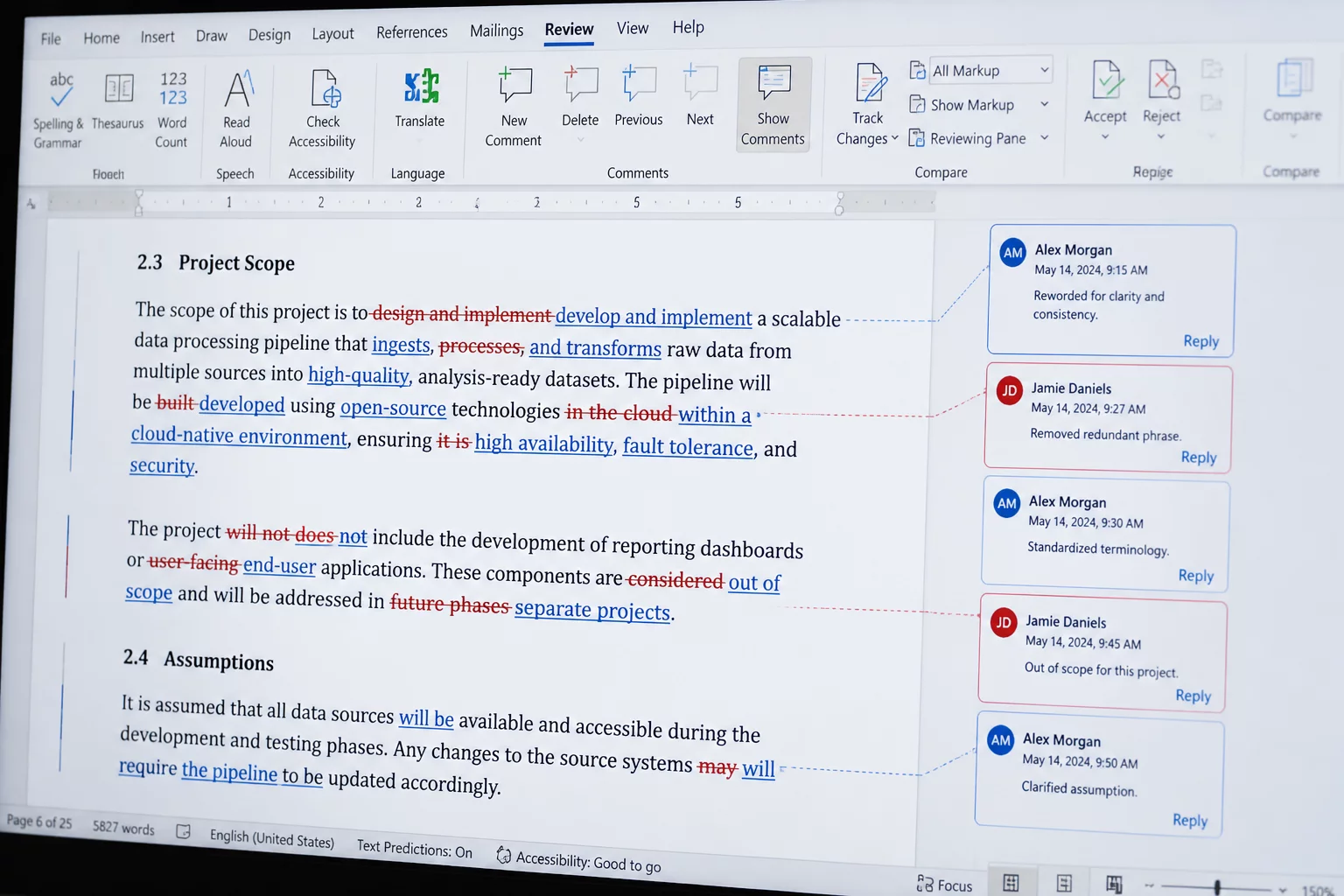
In the fast-paced environment of commercial construction, tracking revisions is often reduced to simply naming drawing files. Unfortunately, naming files does not explain the physical and operational realities of a project. When a new revision arrives on site, the team needs to know the reasons for the changes, the specific trades affected, and the exact decisions that prompted the modifications. Without this context, critical alignment gaps open up during phase transitions, leading to expensive rework, delays, and disputes.
Why Conventional Version Control Falls Short
Standard document management platforms are highly efficient at hosting files, yet they routinely fail to capture the decision-making process. A superintendent looking at a revised electrical layout on a smartphone might see a relocated panel. However, the drawing fails to explain that this panel was moved to accommodate a future structural beam change. Without knowing the underlying logic, the field team may make field adjustments that conflict with subsequent trades. To resolve this, project leaders must attach decision logs directly to the revision histories.
Core Best Practices for Effective Revision Tracking
Establishing a robust tracking framework requires structural changes in how information is updated and shared. Adhering to these five industry-standard methodologies protects the integrity of the project during handovers:
- Maintain a Centralized Revision Registry: Every modification must reside in a single repository accessible by all stakeholders. Scattered emails, physical printouts, and localized spreadsheets lead to outdated installations.
- Embed the Decision History: Every new drawing sheet must include metadata detailing the RFIs, change orders, or client directives that caused the revision. This links the physical plans to the business context.
- Implement Automated Delta Alerts: Teams often overlook small updates on massive layout plans. Automated system alerts should highlight the specific areas of change instead of forcing teams to manually compare sheets.
- Enforce Mandatory Trade Alignment Checks: Before releasing a revision to the field, coordinate a brief review with all potentially affected subcontractors. This prevents cascading design conflicts between HVAC, plumbing, and structural elements.
- Formalize the Handover Protocol: When transition phases occur, the departing management team must sign off on the active revision list. This ensures the incoming team starts with verified, up-to-date data.
Transitioning the Context to Field Teams
Having the correct drawing in the system is useless if the installer on the slab is working off a cached PDF or an old printout. Setting up physical QR codes on site that link directly to the latest digital sheet ensures that field workers verify their plans before starting work. Additionally, superintendents must host weekly review sessions to walk through recent revisions. These simple visual checks prevent major layout errors.
Frequently Asked Questions
Why is standard drawing version control not enough?
Standard version control track changes in files but completely omits the operational — but completely omits the operational "why." Without documenting the reasons behind a change, subsequent trades might revert field changes or fail to plan for future dependencies.
How do we ensure subcontractors actually use the latest revisions?
Subcontractors should be required to scan localized QR codes on-site to verify the active revision number before beginning work. This simple workflow guarantees that they do not install systems based on obsolete documents.