Explore construction cases about missing context, unclear ownership, unresolved decisions, and better project handoffs.
Real cases analyzed to prevent information loss between stages
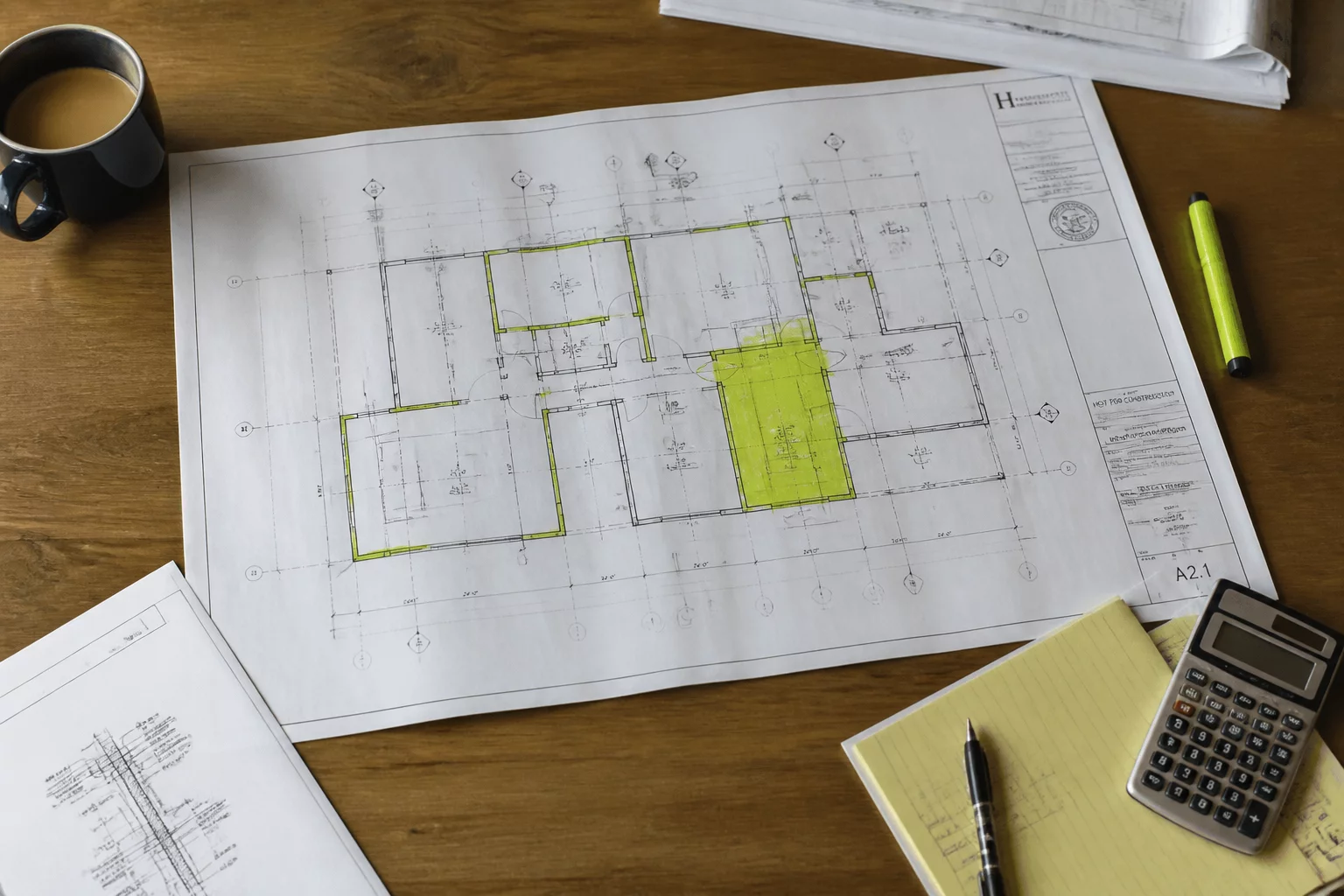
How critical design history gets lost when only the final files are shared downstream.
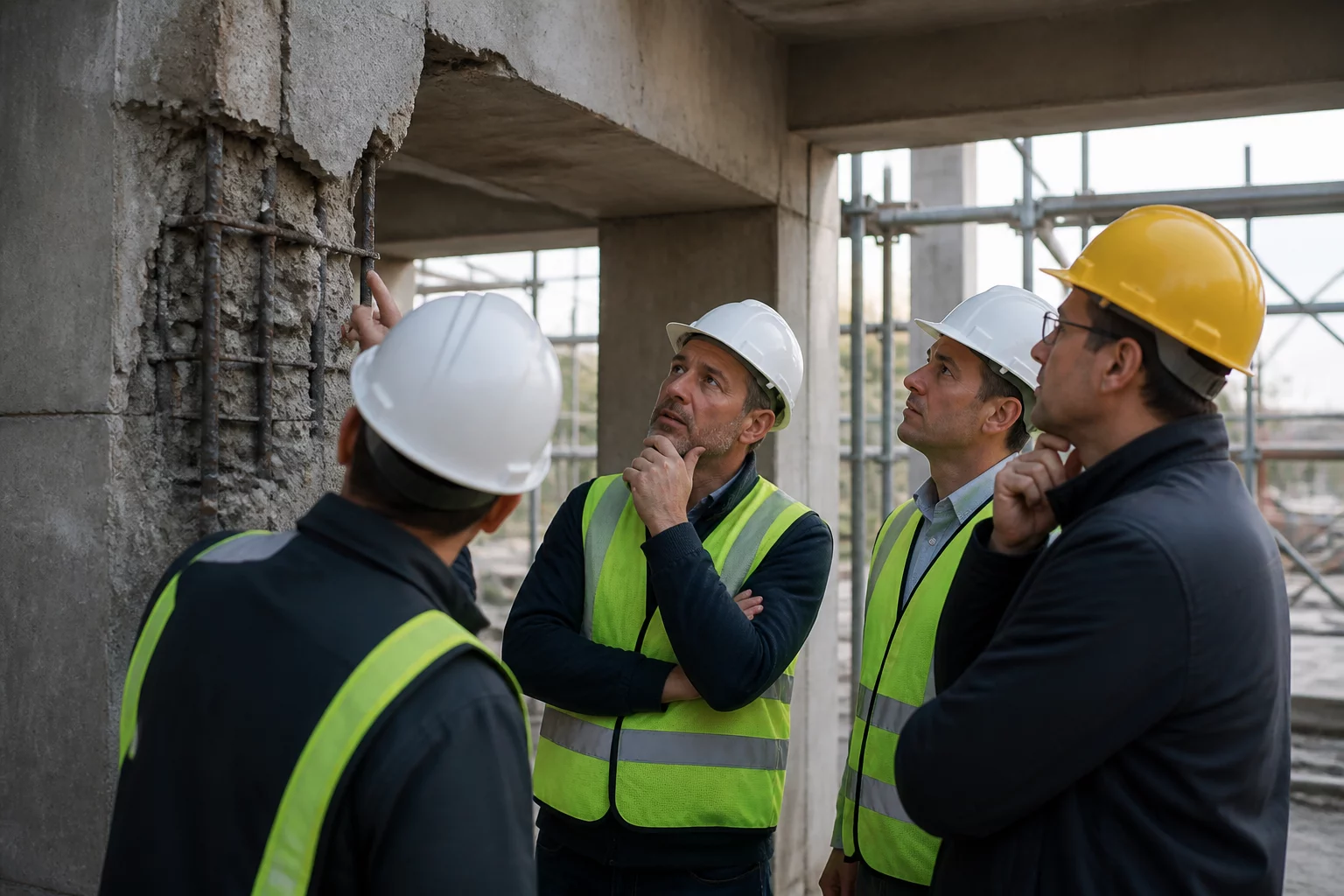
Analyzing the gap between identifying structural problems and taking ownership on site.
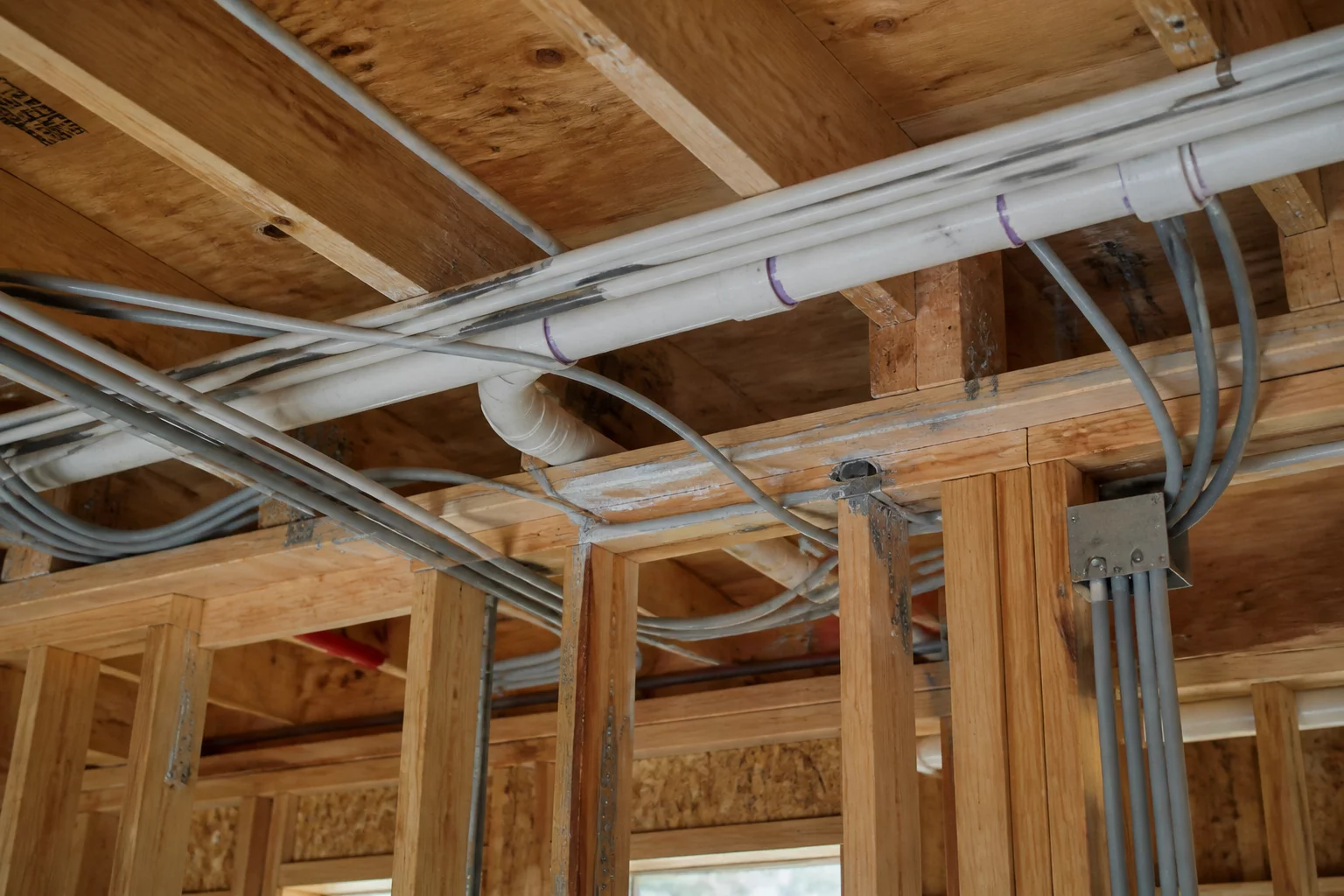
When communication gaps lead to costly physical rework and schedule delays.
Explore the contrast between fragmented phase transitions and continuous context preservation. Hover over any challenge to see its structured counterpart.
Without active context tracking, critical project insights disappear at every phase change, leaving teams to work with incomplete information.
Critical engineering logic and design decisions vanish during the transition to the procurement team.
Field issues are identified but remain unassigned, falling through the cracks between trade shifts.
New drawings arrive on site without any explanation of the underlying coordination changes.
Final documentation contains flat PDF files with no record of the actual field adjustments.
By establishing structured handoff protocols, teams maintain access to the original intent behind every coordination decision.
Every procurement decision remains linked directly to the initial engineering coordination log.
Every transition gap is assigned to a specific stakeholder with automated follow-up pathways.
Revision updates are accompanied by a clear summary explaining why the modification was executed.
Handover deliverables contain complete histories of coordination meetings, changes, and site approvals.
Explore real-world construction case studies categorized by the exact stage where information, intent, and context are lost between project phases.
The gap between design intent and field execution. Information gets lost when blueprints are handed over without the original decision context, forcing field teams to guess the reasoning behind complex layouts.
Communication breakdown between subcontractors during transitions. Field changes by one trade are rarely documented for the next, causing spatial conflicts and costly rework.
The risk of working off outdated versions. Even when the technical revisions are correct, the distribution and handoff process often fails, leaving field crews with obsolete plans.
Critical issues that fall between responsibilities. When everyone on site spots a problem but no single person or trade is explicitly assigned to resolve it, leading to delays.
The loss of historical decisions during final handover. As-built drawings and checklists lack the "why" behind critical field modifications, creating major maintenance headaches for owners.

Explore these critical handoff failure modes that occur when critical decisions, drawing updates, and field changes lack the proper context.
A critical revision of the structural drawings was uploaded, but the engineering logic behind the changed load calculations was omitted, leading to site confusion.
A conflict between HVAC ducts and plumbing lines was flagged by multiple teams, but without a clear owner, it remained unresolved until it halted construction.
The framing contractor modified a wall layout on-site to accommodate a pipe, but the drywall team was never notified, resulting in costly rework.
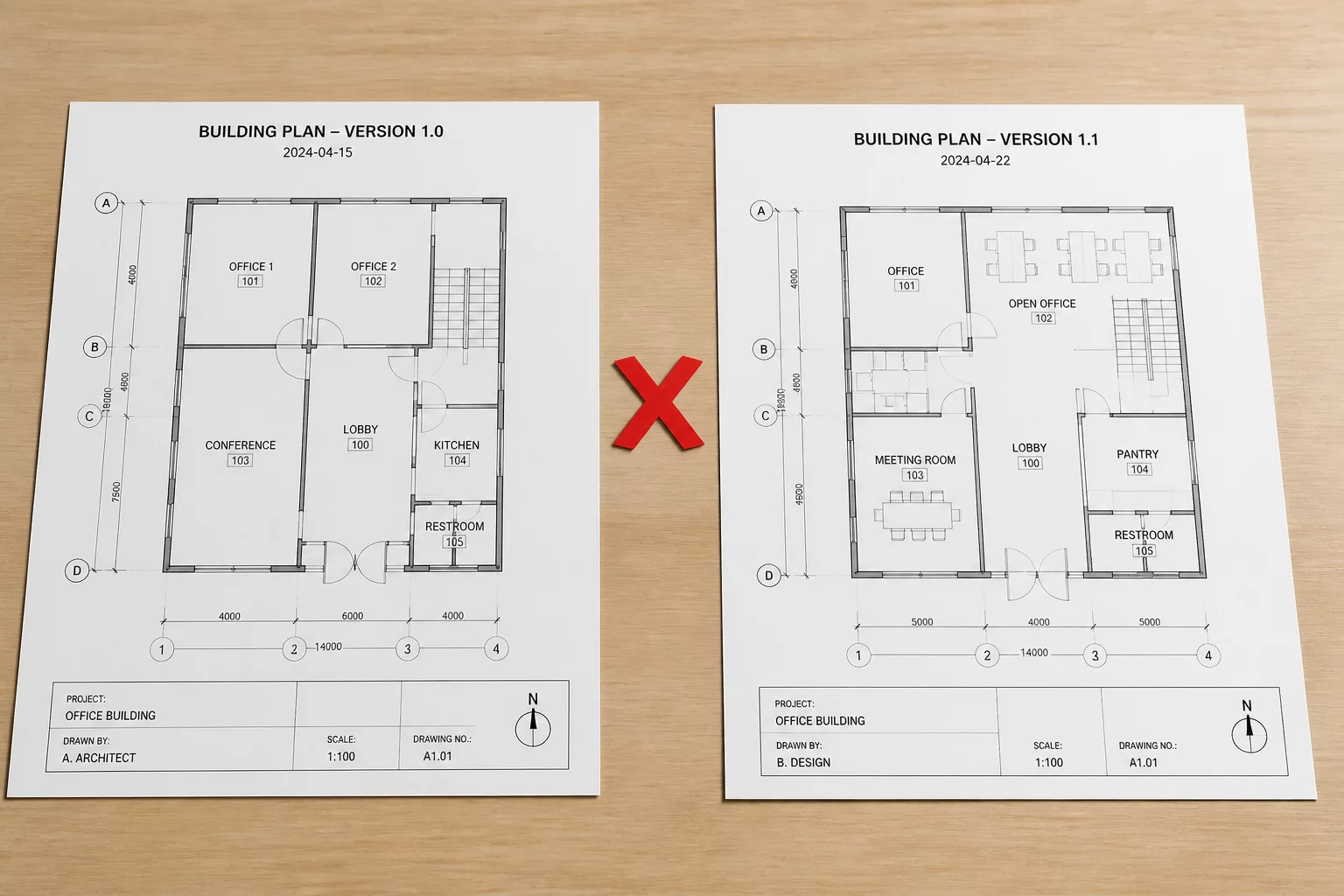
The architectural update resolved the spacing issue perfectly, but the notification was buried in a long email chain, leaving the field team with outdated plans.
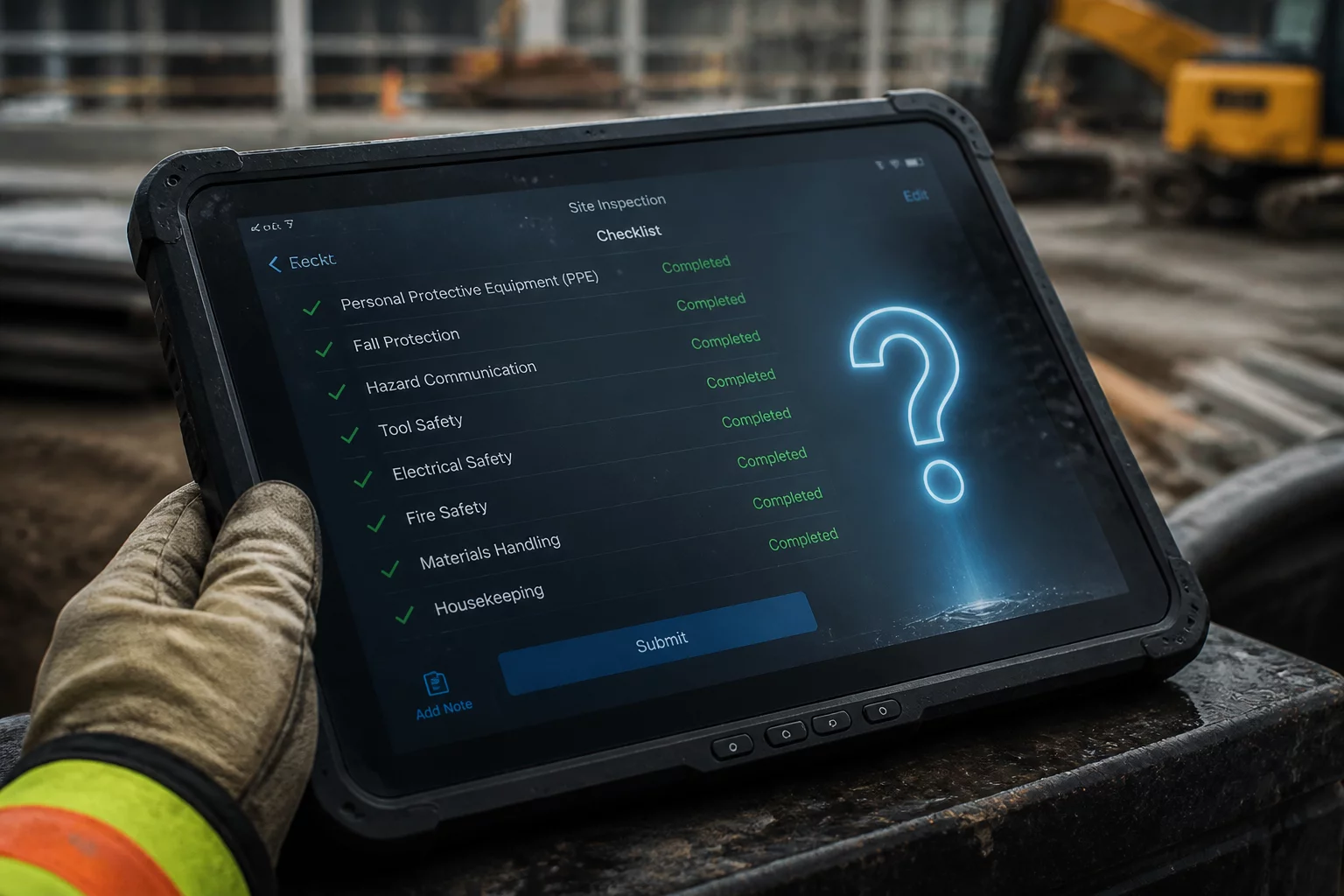
An RFI was marked as resolved in the project management software, but a crucial detail regarding the foundation seal remained unanswered.
During handover, the operations team couldn't trace why a specific material substitution was approved, creating maintenance challenges.
Transform the way your teams pass ownership and context between stages, protecting critical project knowledge from day one.
Project teams understand the exact reasoning behind earlier decisions, preventing repetitive queries and keeping momentum high.
Incoming subcontractors pick up exactly where the previous ones left off, closing onboarding gaps and coordination errors.
Every team member knows who owns each outstanding item, reducing waiting times and project bottlenecks.
On-site modifications are logged with full context, preventing downstream clashes and rework during installation.
Handover packages retain their complete historical data, minimizing post-project questions and owner disputes.
Physical dependencies between trades are clearly communicated, keeping the master schedule predictable and under control.
Master the essential terms of context preservation, decision tracking, and seamless project stage transitions.
The loss of critical design decisions or project context when ownership shifts between construction stages.
The underlying reasoning and field adjustments behind the final physical installation.
The gradual degradation of project knowledge as it passes through multiple subcontractors and tools.
The original architectural and engineering goals that must be preserved during procurement and field changes.
An onsite modification that requires immediate communication to subsequent trades to prevent clashes.
The final compilation of drawings, manuals, and warranties handed over to the owner at project completion.
The systematic documentation of updates made to blueprints, ensuring everyone works off the latest version.
The critical phase where one trade completes their scope and hands over the work area to the next trade.
The structural sequence where one installation directly impacts or supports the next trade's work.
The history, discussions, and approvals that explain why a specific material or design change was made.
We understand that changing how your team manages information transitions is a significant decision. Here is how we address the most common doubts about implementing the ProjectHandoff Casebook.

ProjectHandoff Casebook is an independent construction publication about project communication and decision context. It does not provide project-management software, host project documents, automate workflows, or connect to Procore. Procore is a trademark of its respective owners. ProjectHandoff Casebook is not affiliated with or endorsed by Procore.